Indonesia is a country rich in cultural diversity, and its culinary traditions reflect this depth. Among the many traditional dishes that showcase the unique flavors of the archipelago, papeda and cakalang fufu stand out as iconic representations of regional identity. These dishes are not only delicious but also carry significant historical and cultural value. In this article, we will explore the origins, preparation methods, and significance of papeda and cakalang fufu, two beloved staples from different parts of Indonesia.
What is Papeda?
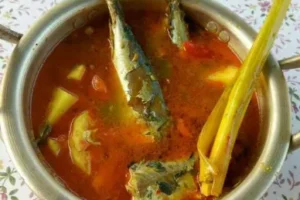
Papeda is a traditional dish originating from Papua and Maluku, made from sagu (cassava flour). It is a staple food for indigenous communities in these regions, often served with ikan kuah kuning (yellow fish soup) and various vegetables. The texture of papeda is unique—smooth, sticky, and slightly gelatinous, making it a comforting and filling meal.
Historical and Cultural Significance
Papeda has deep roots in the culture of the Papuan people. According to local traditions, sagu is not just a source of nutrition but also holds symbolic meaning. For example, during important ceremonies like Watani Kame (a ritual marking the end of mourning), papeda is shared among family members as a sign of unity and remembrance. Similarly, in some communities, it is served during birth rituals or when a woman receives tattoos, highlighting its role in both daily life and special occasions.
In addition to its cultural importance, papeda also reflects the resilience of indigenous communities. Despite modern influences, many still maintain the tradition of preparing and consuming this dish, preserving their heritage through food.
How to Make Papeda
Making papeda is a simple process, though it requires patience:
- Mix 250 grams of sagu flour with ½ teaspoon of salt and 2 cloves of minced garlic.
- Gradually add 4 cups of water while stirring continuously.
- Cook the mixture over low heat, stirring constantly until it thickens into a smooth paste.
- Serve with ikan kuah kuning and vegetables.
Papeda is typically eaten using helai (wooden spoons) and hote (wooden bowls), emphasizing the traditional way of eating.
What is Cakalang Fufu?

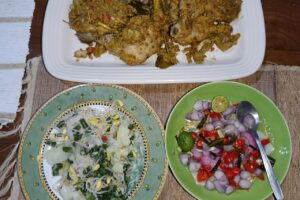
Cakalang fufu is a traditional dish from North Sulawesi, specifically the Minahasa region. It is made from smoked skipjack tuna (cakalang), which is cured and dried on a bamboo frame. This method of preservation gives the fish a strong, smoky flavor and a firm texture, making it a popular snack or side dish.
Preparation Process
The preparation of cakalang fufu involves several steps:
- Cleaning: The skipjack tuna is scaled, gutted, and split into two parts.
- Curing: The fish is rubbed with salt, soda powder, and spices, then left to cure.
- Smoking: The fish is placed on a bamboo frame and smoked over coconut husks, which contribute to its distinctive aroma and taste.
- Drying: After smoking, the fish is cooled and dried until it becomes firm and dry.
This process takes about six hours in total, resulting in a product that can be stored for up to a month. Cakalang fufu is often consumed as is or used in other dishes like tikka, noodles, or spicy rica-rica.
Cultural and Economic Importance
Cakalang fufu is not only a delicacy but also an important part of North Sulawesi’s economy. It is widely sold in markets and is a favorite among travelers who visit the region. The fishing town of Bitung is known as the main production center for this dish.
However, local producers face challenges such as limited capital for expansion. To address this, the Ministry of Industry offers soft loans through local governments, helping to sustain the production and distribution of cakalang fufu across Indonesia.
The Role of Papeda and Cakalang Fufu in Indonesian Cuisine
Both papeda and cakalang fufu represent the diverse culinary landscape of Indonesia. While papeda is deeply rooted in the traditions of Papua and Maluku, cakalang fufu reflects the coastal lifestyle of North Sulawesi. These dishes are more than just food—they are symbols of cultural identity, history, and community.
They also highlight the importance of traditional preservation techniques, such as salting, smoking, and drying, which have been passed down through generations. These methods not only enhance flavor but also ensure that food can be stored for longer periods, especially in regions where refrigeration may be limited.
Conclusion
Papeda and cakalang fufu are more than just traditional dishes; they are living testaments to the cultural richness of Indonesia. Whether you’re enjoying a bowl of papeda with ikan kuah kuning or savoring the smoky flavor of cakalang fufu, these foods offer a taste of the past and a connection to the people who have preserved their heritage through cuisine.
As Indonesia continues to evolve, it is essential to celebrate and protect these traditional foods. They not only nourish the body but also strengthen the bonds of community and culture. So next time you encounter papeda or cakalang fufu, take a moment to appreciate the stories and traditions behind them.